
Why Hearing Protection Matters Early in Life — Not Just Later
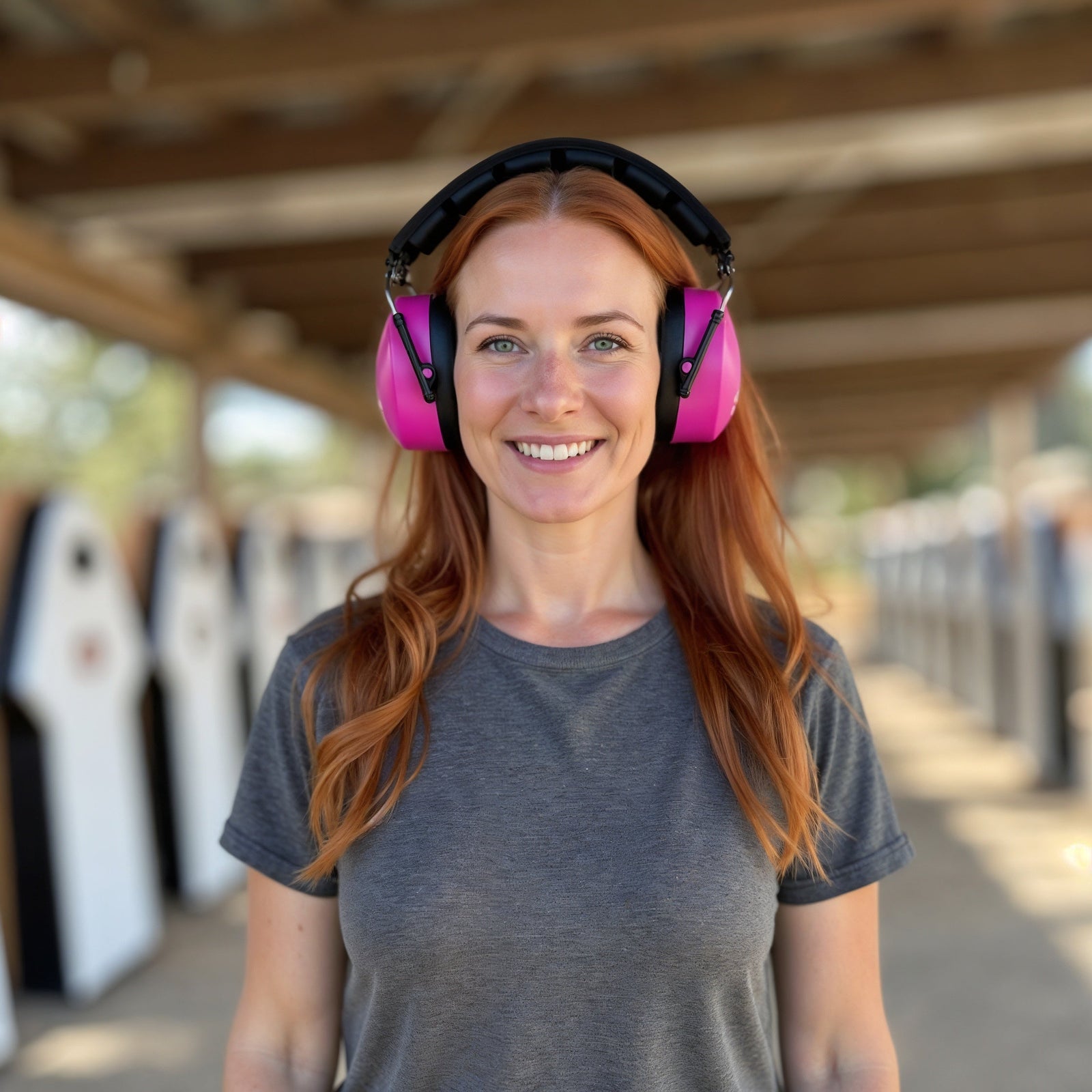

When most people think about hearing loss, they picture it as a problem that comes with age. However, research and real-world experience show that hearing damage often begins much earlier — sometimes in the teenage years or early 20s — long before noticeable symptoms appear. Because hearing loss develops gradually and is usually permanent, protecting your hearing early is one of the smartest long-term health decisions you can make.
Hearing Damage Is Often Invisible at First
One of the biggest challenges with hearing health is that damage to the inner ear happens silently. Loud environments such as concerts, sporting events, shooting ranges, construction sites, gyms, and even everyday activities like mowing the lawn or using power tools can expose the ears to harmful noise levels.
These sounds can damage the tiny hair cells inside the cochlea, which play a critical role in translating sound waves into signals the brain can understand. Once these cells are damaged, they do not regenerate. The result may not be obvious right away. In fact, many people who experience early hearing damage still feel they “hear fine” for years.
Over time, however, subtle symptoms can begin to appear:
-
Difficulty understanding conversations in noisy environments
-
Ringing or buzzing in the ears (tinnitus)
-
Needing to turn up the volume on headphones or TVs
-
Feeling mentally fatigued after social interactions
-
Trouble hearing high-frequency sounds
Because these changes happen gradually, many individuals don’t connect them to noise exposure from earlier in life. By the time hearing loss becomes noticeable, significant and irreversible damage may already have occurred.
Today’s Noise Exposure Starts Younger Than Ever
Modern lifestyles often involve more sustained and higher-intensity noise exposure than previous generations experienced. Personal listening devices, live music events, motorsports, gaming headsets, and urban living all contribute to cumulative noise exposure starting at a young age.
For teens and young adults, this exposure can feel normal — or even unavoidable. Social activities frequently involve loud environments, and hearing protection is not always seen as “cool” or necessary. Yet repeated exposure to sounds above roughly 85 decibels can contribute to long-term hearing damage.
The key takeaway is simple: hearing protection is not just for industrial workers or older adults. It is a proactive health tool for anyone who wants to preserve their hearing quality for decades to come.
Choosing the Right Type of Hearing Protection
Different environments call for different types of hearing protection. Understanding when to use earplugs versus earmuffs — or both — can make a meaningful difference.
Earplugs are small, portable, and ideal for situations where convenience and discretion matter. They are especially useful for:
-
Concerts and festivals
-
Travel and flights
-
Studying or sleeping in noisy environments
-
Daily commuting in loud cities
-
Light power tool use
High-quality foam earplugs can significantly reduce noise levels while still allowing users to remain aware of their surroundings.
Earmuffs, on the other hand, provide a physical seal around the ears and are often better suited for higher-intensity or sustained noise exposure. They are commonly used for:
-
Shooting sports and firearms training
-
Yard work and landscaping equipment
-
Construction and workshop environments
-
Motorsports and heavy machinery
-
Events with continuous loud sound
Because earmuffs are reusable and quick to put on and remove, they are particularly practical for intermittent noise exposure — situations where sound levels rise and fall throughout the day.
When Double Protection Makes Sense
In especially loud environments — such as indoor shooting ranges, industrial job sites, or situations involving prolonged exposure to heavy equipment — using both earplugs and earmuffs together can offer enhanced protection.
This layered approach, sometimes called “double protection,” helps reduce overall noise exposure more effectively than either solution alone. For individuals who prioritize long-term hearing preservation, combining protection methods can be a smart strategy.
Building Lifelong Habits
Just as sunscreen protects skin health and seatbelts improve road safety, hearing protection should become a routine habit. The earlier these habits form, the more cumulative damage can be prevented.
Parents can play an important role by introducing hearing protection to children and teens during loud activities. Young adults can normalize its use among peers by treating hearing protection as a practical tool rather than a limitation. Over time, these small decisions add up — helping preserve clarity of hearing, communication ability, and overall quality of life.
Protect Your Future Hearing Today
Hearing connects us to conversations, music, nature, and the everyday sounds that shape our experiences. Protecting it early helps ensure those connections remain strong well into later life.
For those looking for reliable solutions, Decibel Defense offers premium hearing protection designed for real-world noise environments. Whether using earplugs for convenience or high-performance earmuffs for more intense situations, choosing quality protection can make a meaningful difference in safeguarding hearing for the long term.